
Vowels are also pronounced using six tones that are not expressed in the syllabary: high, low, rising, falling, lowfall and highfall. tone.
The low tone is a common tone and is not typically indicated in Romanized writing. My cousin explained it as such: your typical, unemotional, everyday pitch. It can fall on long (held a little longer) or short vowels.
ᏯᏂᏏ / yanisi / yan(i)si – All vowels are short and held at low tone. I put the first i in parenthesis because some speakers leave this vowel out. In Romanized writing, these speakers would write yansi. ᏯᏂᏏ / yanisi means ‘buffalo’ and is pronounced y – short a – n – short i – s – long e. Some will say y – short a – n – s – long e.
ᎯᏓ / hida – Both vowels are short and held at low tone. ᎯᏓ / hida means ‘lay it down (something long)’ and is pronounced h – short i – d – short a.
ᎩᏟ / gitli / gii(h)li – Both vowels are low tone. The first i is long, held twice as long as the second i. ᎩᏟ / gitli means ‘dog’ and is pronounced g – short i (held) – (aspiration) – l (a breathy l sound like in the word clue) – long e. Some speakers do pronounce the t as a t and not an aspirated l. Also, some speakers leave out the t altogether and will write dog as ᎩᎵ in syllabary and Romanized as gili. This is one word I notice the distinction on when speaking with a cousin in North Carolina versus one in Oklahoma.
ᎣᏝ / otla / oo(h)la – Both vowels are low tone. The o is long, held twice as long as the a. ᎣᏝ / otla means ‘soap’ and is pronounced long o (held) – (aspiration) – l (breathy l) – short a.
ᎣᏩᏌ / owasa / owaasa – The first a is long (held twice as long as the remaining vowels) and is also a high tone. In some writings this tone is marked by an acute accent, more will be discussed next week about this tone. ᎣᏩᏌ / owasa means ‘oneself’ and is pronounced long o – short a (held and high tone) – s – short a.
The high tone is a slightly elevated tone above the common low tone. Another words, low tone is common tone in which you yourself speak. High tone is a slight elevation, think of how tone changes in typical conversation to express slight excitement. The high tone is typically represented in Romanized writing (some people refer to the writing style where the symbols for tone and other notations like the intrusive h and silent vowels as linguistic) with the acute accent. The acute accent sits on top of the vowel that contains the high tone and goes in an upward slope from left to right.
However, since Cherokee has long and short vowels representing how long you hold the sound, the acute accent typically will be placed over the first vowel:
ᎯᏔᏲᎯᎭ / hitayohiha / hi(h)tayoohíha notice there is an intrusive h in-between Ꭿ and Ꮤ, the o is long and the i in the last Ꭿ has a high tone. hitayohiha is pronounced in English terms as h – short i – aspiration (intrusive h) – t – short a – y – long o (held) – h – short i (high tone) – h -short a. hitayohiha means ‘you are asking for it’
ᎣᏏᏲ / osiyo / oosíyo notice the first o is long and the i has a high tone. osiyo is pronounced in English terms as long o (held) – s – short i (high tone) – y – long o. Some speakers drop the last o and pronounce the i as a long e while others use fast speak (or what we could slang in English) and just say siyo. osiyo means ‘hello’
ᎪᎦ / goga/ kóoga notice the long vowel o is high tone. I used a k for the g in Ꭺ because it is more common to hear this syllable as an English k sound for this particular word. goga is pronounced in English terms as k – long o (held and high tone) – g – short a. ᎪᎦ means ‘crow’
ᎢᏁᎦ / inega / iìnéega notice the i is long and has a lowfall tone (it starts low / common tone / and falls slightly lower during pronunciation) and the e is also long with a high tone. inega is pronounced in English terms as short i (held and lowfall tone) – n – long a (held and high tone) – g – short a. ᎢᏁᎦ means ‘we are going’
Final note: The low tone and high tone are considered level tones. Another words, they stay the same pitch or tone throughout the pronunciation of the vowel whether that vowel is short or long (held or not). The low tone is a person’s typical everyday sound while the high tone is a slight elevation. I like to think of a child beginning to get excited. The child’s pitch or tone will rise naturally. Another natural process, that occurs in English speaking, is saying oh – oh.

Today, we will talk about one of the four contour tones. I call them contour because they change tones as they are being pronounced. These four tones only occur on long vowels.
The rising tone starts as a low tone and ends high tone. So, it starts in your natural voice and elevates slightly during the pronunciation of a long vowel. For purposes of demonstration and to help you practice, I put an acute accent on the second letter of the long vowel. I will note the rising tone has been illustrated with different symbols in linguistic form depending on the author. These tones are not seen in the Syllabary nor in Tsalagi’s Romanized writing.
ᎦᏓ / gada / gaáda – the ‘a’ in Ꭶ is long and since the acute accent is on the second letter, it is a rising tone. gada is pronounced in English terms: g – short a (held, rising tone) – d – short a. ᎦᏓ means dirt or land.
ᏲᎾ / yona / yoóna – the ‘o’ in Ᏺ is long and a rising tone. ᏲᎾ is pronounced in English terms: y – long o (held and rising tone) – n – short a. yona means bear.
ᎩᎦ / giga / giíga – the ‘i’ in Ꭹ is long and has a rising tone. giga is pronounced in English terms: g – short i (held, rising tone) – g – short a. ᎩᎦ means blood when pronounced as such. However, when ᎩᎦ is pronounced g – short i (low tone) – g – short a the meaning changes to gopher.
Words Tsalagi borrowed from English often have a rising tone where the ‘stress’ in the English pronunciation occurs:
ᎧᏫ / kawi / kaá(h)wi – notice the intrusive h between the Ꭷ and Ꮻ and the ‘a’ in the syllable ka is long and has a rising tone. ᎧᏫ is pronounced in English terms: k – short a (held and rising tone) aspiration (intrusive h) w long e. kawi means coffee.
ᏩᏥ / watsi / waáji – the ‘a’ in Ꮹ is long and has a rising tone. watsi is pronounced in English terms as: w – short a (held, rising tone) – j – long e. ᏩᏥ means watch, as the one you wear on your wrist.
ᎨᎻᎵ / gemili / keémíli – notice the ‘e’ in Ꭸ is long and has a rising tone, but the ‘i’ in Ꮋ is short and a high tone. ᎨᎻᎵ is pronounced in English terms: k – long a (held and rising tone) – m – short i (high tone) – l – long e. gemili means camel.
I will add that most names from the English language pronounced in Tsalagi will contain a rising tone:
ᏫᎵ / wili / wiíli – the ‘i’ in Ꮻ is long and has a rising tone. wili is pronounced in English terms: w – short i (held, rising tone) – l – long e. ᏫᎵ means Will.
ᏥᏌ / tsisa / jiísa – the ‘i’ in Ꮵ is long and a rising tone. ᏥᏌ is pronounced in English terms: j – short i (held and rising tone) – s – short a. tsisa means Jesus.
ᎺᎵ / meli / meéli – the ‘e’ in Ꮊ is long and has a rising tone. meli is pronounced in English terms: m – a (held, rising tone) – l – long e. ᎺᎵ means Mary.
ᎹᎩ / magi / maági – the ‘a’ in Ꮉ is long and a rising tone. ᎹᎩ is pronounced in English terms: m – short a (held and rising tone) – g – long e. magi means Maggie.
ᎣᎦᎳᎰᎹ / ogalahoma / oogalahoóma – notice the initial ‘o’ is long and low tone while the second ‘o’ is long, but a rising tone. ᎣᎦᎳᎰᎹ is pronounced in English terms: long o (held) g – short a – l – short a – h – long o (held, rising tone) – m – short a. ogalahoma means Oklahoma.
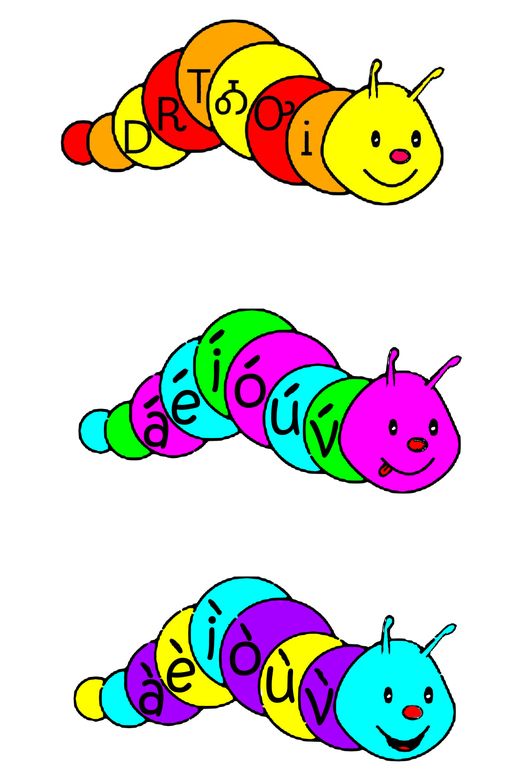
The second contour tone is the falling tone. The falling tone is the least common tone used. Again, it is only used on long (held) vowels.
The falling tone starts at low tone (typical everyday tone of voice), rises to a high tone (slight elevated from your everyday tone of voice), and falls back to a low tone throughout the pronunciation of the long vowel. If tone and vowel length is represented in linguistic form, it is typically done with an accent on the first vowel and a grave accent on the second (repeated) vowel. A grave accent is an accent that goes downward from left to right. That is how I will be representing the falling tone. Like the rest of the tones, the falling tone is not represented in Tsalagi Syllabary nor Romanized writing.
ᏅᏬᏘ / nvwoti / nvvwóòti – the ‘v’ in Ꮕ long, but low tone; while the ‘o’ in Ꮼ is long and falling tone. nvwoti is pronounced in English terms: n – nasalized u / slang uh (held) – w – long o (held and falling tone) – t – long e. ᏅᏬᏘ means medicine.
ᏥᏍᏉᏉ / tsisquoquo / jiísgwóògwo – the ‘i’ in Ꮵ is long and a rising tone (Remember it starts low tone and rises to a high tone during pronunciation) and the ‘o’ in Ꮙ is long and a falling tone. ᏥᏍᏉᏉ is pronounced in English terms: j – short i (held, rising tone) -s – gw (English blend in the name Gwen) – long o (held, falling tone) – gw – long o. tsisquoquo means robin.
ᎩᏳᎦ / giyuga / ki(h)yúùga – the ‘u’ in Ᏻ is long and a falling tone and there is an intrusive h (aspiration) between the Ꭹ and Ᏻ. giyuga is English terms is pronounced: k – short i – aspiration (breath) – y – oo – g – short a. ᎩᏳᎦ means chipmunk.
**Spelling hint: if there is an h (aspiration) after the vowel of a g syllable (Ꭶ, Ꭸ, Ꭹ, Ꭺ, Ꭻ, Ꭼ) the g sound changes to k sound**

The highfall tone is the third contour tone. Like the last contour tone, the highfall start at the same pitch as the level tone but then rise or fall out of the level tones. The highfall tone is found on the rightmost long vowel of the word. It starts as the high tone and then falls slightly lower than the low tone.
Typically it is represented by an accent on both vowels in a linguistic format.
ᎡᏆ / equa / éégwa – the ‘e’ Ꭱ is long and a highfall tone. ᎡᏆ is pronounced in English terms: short e (held and highfall tone) – gw blend – short a. equa means large.
ᎠᎩᎾ / agina / agíína – the ‘i’ in Ꭹ is long and a highfall tone. agina is pronounced in English terms: short a – g – short i (held, highfall tone) – n – short a. ᎠᎩᎾ means young.
ᎦᎨᏓ / gageda / gaagééda – the ‘a’ in Ꭶ is long and low tone, but the ‘e’ in Ꭸ is long and a highfall tone. ᎦᎨᏓ is pronounced in English terms: g – short a (held) – g – short e (held and highfall tone) – d – short a. gageda means heavy.
The highfall tone has an important role in Tsalagi language. When it appears on a verb it changes the role of the verb in a sentence. For example, it can indicate the verb has been turned into an agentive noun ( a person or thing that performs the action).
*NOTE: it has an -i suffix that appears on the Incompletive stem of the verb*
Example of a verb change to agentive noun:
ᏕᎦᏕᏲᎲᏍᎪᎢ / degadeyohvsgoi / degadeèyoóhvsgóoʔi – the ‘e’ in the second Ꮥ is long and a lowfall tone (starting at low tone and then falling); the ‘o’ in Ᏺ is long and a rising tone; the ‘o’ in Ꭺ is long and a high tone. ʔ represents a glottal stop (brief cut off of / pause airflow , seen in the English ‘uh-oh’ – most of the time it is seen as an ‘ in the Tsalagi Romanized writing) degadeyohvsgoi is pronounced in English terms: d – short e – g – short a – d – short e (held, lowfall tone) – y – long o (held, rising tone) – h – nasalized u / slang English uh – s – g – long o (held, high tone) – pause – long e. ᏕᎦᏕᏲᎲᏍᎪᎢ means I teach.
*NOTE: my son is dyslexic and would often miss the ‘ so I started using ʔ. *
* Glottal stops are always found between two vowels in Tsalagi*
ᏗᎦᏕᏲᎲᏍᎩ / digadeyohvsgi / digadeèyóóhvsgi – – the ‘e’ in Ꮥ is long and a lowfall tone, while the ‘o’ in Ᏺ is long and a highfall tone. ᏗᎦᏕᏲᎲᏍᎩ is pronounced in English terms: d – short i – g – short a – d – short e (held and lowfall tone) – y – long o (held and highfall tone) – h – nasalized u / slang English uh – s – g – long e. digadeyohvsgi means I’m a teacher.

Another contour tone is the lowfall tone. It starts low tone (normal speaking voice) and falls lower. Like the other contour tones, it only occurs on the long vowels. I will mark the second vowel of the long vowel with a double grave accent to indicate a lowfall tone.
ᏅᏯ / nvya / nvѷya – the ‘v’ in Ꮕ is long and a lowfall tone. ᏅᏯ is pronounced in English terms: n – nasalized u (English slang uh) (held and lowfall tone)- y – short a. nvya means rock.
ᏒᎩ / svgi / svѷgi – the ‘v’ in Ꮢ is long and a lowfall tone. svgi is pronounced in English terms: s – nasalized u (English slang uh) (held, lowfall tone)- g – long e. ᏒᎩ means onion.
ᎠᎩᏍᏗ / agisdi / agiȉsdi – the ‘i’ in Ꭹ is long and a lowfall tone. ᎠᎩᏍᏗ is pronounced in English terms: short a – g – short i (held and lowfall tone) – s – d – long e. agisdi means something to eat.

I want to make a quick note about tone. The highfall tone mentioned here sounds like the rising tone with stress. The stress feature allows this tone to be the most recognized and distinguishable. The last vowel of a word is typically unmarked. This vowel carries the main stress of the word and is normally a high tone. There are some exceptions, however. If the full form of the word has a highfall on the next – to – last syllable and the final vowel has been dropped, the vowel remaining has a higher tone. This is seen when a sentence has a second verb.
Remember the highfall tone is the only tone that expresses grammatical meaning. The main verb of a sentence will NEVER carry a highfall tone. Subordinate verbs (verb in a subordinate clause; a adjectival, adverbial or nominal clause that cannot stand alone, but modifies another word or clause) and words that occur due to derivation (the use of an affix, prefix or suffix, to create a new word) almost always carry this highfall tone. One major rule for this: the stress is not on the final vowel if there is a highfall tone elsewhere in the word. REMEMBER the last vowel of the word is high tone, stressed unless otherwise told.
ᏛᏓᏁᏍᎨᎯᏌᏂ ᎤᏃᎴ ᎤᏲᏍᏔᏅ / dvdanesgehisani unole uyostanv / dvvda(h)nesgehiísá(h)ni uunoole uȕyóostanvˊ* – In the first word (dvdanesgehisani): the first vowel, v in Ꮫ , is long and low tone; there is an aspiration before the n in Ꮑ ; the fifth vowel, i in Ꭿ , is long and rising tone; the sixth vowel, a in Ꮜ , is short and high tone; there is an aspiration before the n in Ꮒ . ᏛᏓᏁᏍᎨᎯᏌᏂ in English terms d – nasalized u (long, low tone) – d – short a – aspiration – n – short e -s – g – short e – h – long a (long, rising tone) – s – short a (high tone) – aspiration – n – long e. dvdanesgehisani means we will build it (a place) again.
In the second word, ᎤᏃᎴ: the first vowel, u in Ꭴ , is long and low tone; the second vowel, o in Ꮓ , is long and low tone. unole is pronounced in English terms: short u (long and low tone) – n – long o (long and low tone) – l – long a. ᎤᏃᎴ means tornado.
In the third word (uyostanv): the first vowel, u in Ꭴ , is long and lowfall tone; the second vowel, o in Ᏺ , is long and high tone; the final vowel, v in Ꮕ , is highfall stress tone. The full form of this word is ᎤᏲᏍᏔᏅᎢ (uyostanvi / uȕyóostanvˊvˊʔi)*. ᎤᏲᏍᏔᏅ is pronounced in English terms: short u (long, lowfall tone) – y – long o (long, high tone) – s – t – short a – n – nasalized u (short, highfall stress tone). uyostanv means to cause something to break.
Altogether the sentence is: We will build the house again after the tornado breaks it. Some could even say destroys it.
Since the main verb is build, the stress is placed on the second verb/ subordinate verb: breaks.
*For whatever reason on the v, the program wants to put the accent symbol after instead of on top, if it does at all. I apologize if it confuses anyone.*
 Bridges Fam Books